

What Is a Virtual Phone Number? How It Works and When to Use One
A plain-language explanation of virtual phone numbers — what they are, how SMS delivery works, the difference between temporary and permanent virtual numbers, and when each makes sense.
A virtual phone number is a real, working phone number that isn't tied to a physical SIM card or a specific device. It exists in software — calls and SMS messages are routed to it through a carrier and then forwarded to wherever you configure.
How they work
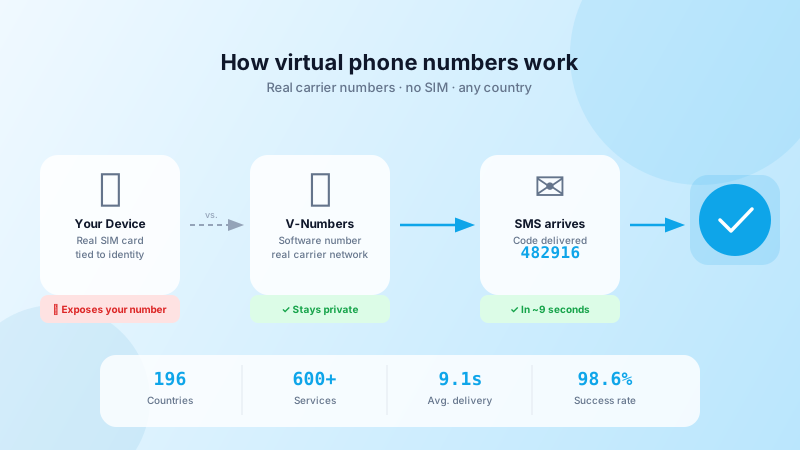
Traditional phone numbers are linked to a SIM card, which is linked to a device. When someone sends you an SMS, it goes from their carrier → your carrier → your SIM → your phone.
Virtual numbers work differently. The number is provisioned on a carrier network (real numbers, real carriers) but the destination is software. When an SMS arrives, it's received by a server instead of a SIM. You access it through an app, dashboard, or API.
This means:
- The number appears completely normal to the sender
- No physical device is required to receive the message
- The number can be in any country, regardless of where you are
Types of virtual numbers
Temporary (single-use)
Used once for verification, then released back into the pool. The number existed before you ordered it and will be reused after. These are what V-Numbers provides — they're cheap (often under $0.25), instant, and don't require any registration beyond a V-Numbers account.
Long-term
A dedicated virtual number assigned only to you, usually billed monthly. Services like Twilio, Google Voice, and virtual VOIP providers offer these. They're more expensive and require more setup, but they receive SMS and calls indefinitely.
For one-time verification: temporary numbers are the right choice. For an ongoing business number or a permanent second line: long-term virtual numbers are better.
What they can and can't do
Can do:
- Receive SMS messages (verification codes, OTPs)
- Appear as a normal mobile number to the service you're verifying
- Work for any platform that sends verification codes by SMS
Can't do (for temporary numbers):
- Receive voice calls (most temporary numbers are SMS-only)
- Be used for ongoing 2FA after the session ends
- Replace a permanent phone number for bank accounts or critical accounts
Common uses
- Account sign-ups: verify without using your real number
- Privacy: don't give your personal number to services you don't fully trust
- Multiple accounts: each account on a platform that requires unique numbers
- Development and testing: automate verification flows in test suites
- Travel: use a local number for region-locked services
Are virtual numbers legal?
Yes. Using a virtual phone number is legal in virtually every country. Phone numbers are infrastructure — there's no legal requirement to use your personal SIM for online account verification. The main restriction is that most platforms' terms of service prohibit creating accounts for spam or fraud, regardless of what number you use.
Privacy
When you use a virtual number, the service you're verifying sees a real phone number that's indistinguishable from a regular mobile number. Your personal phone number is never exposed. The virtual number has no persistent link to your identity.
Try it now
Virtual phone numbers from $0.12. No SMS, no charge.